
.png)
.png)
.png)
.png)
.png)
.png)
Infant Jesus Grade School was founded with 67 pupils in the primary grades. The school first operated on Pastrana Street, established through the support of parents who wanted to provide quality Christian education for their children.
.png)
As enrollment steadily increased, the school transferred locations several times, moving from Pastrana Street to Rojas Avenue and later to Osmania Avenue in Kalibo to accommodate its growing student population.
The school completed its full elementary program, producing its first 14 elementary graduates in 1992. In 1993, the elementary course received government recognition, and the school transferred to its permanent site at Mabini Extension to accommodate further growth.
.png)
After several years of unstable administration, a new Board of Trustees took over the school, led by Mrs. Merle L. Altas as president. During the same year, Jimmy Boy H. Estrellas began supervising the school to help set a clearer direction for its development.
.png)
The school expanded its educational services when it received a government permit to operate secondary education in 1996, beginning with First Year High School. By 1997, Jimmy Boy H. Estrellas became the School Director, initiating improvements in facilities, curriculum, student services, discipline, and religious formation. In 1999, the secondary education program received government recognition.
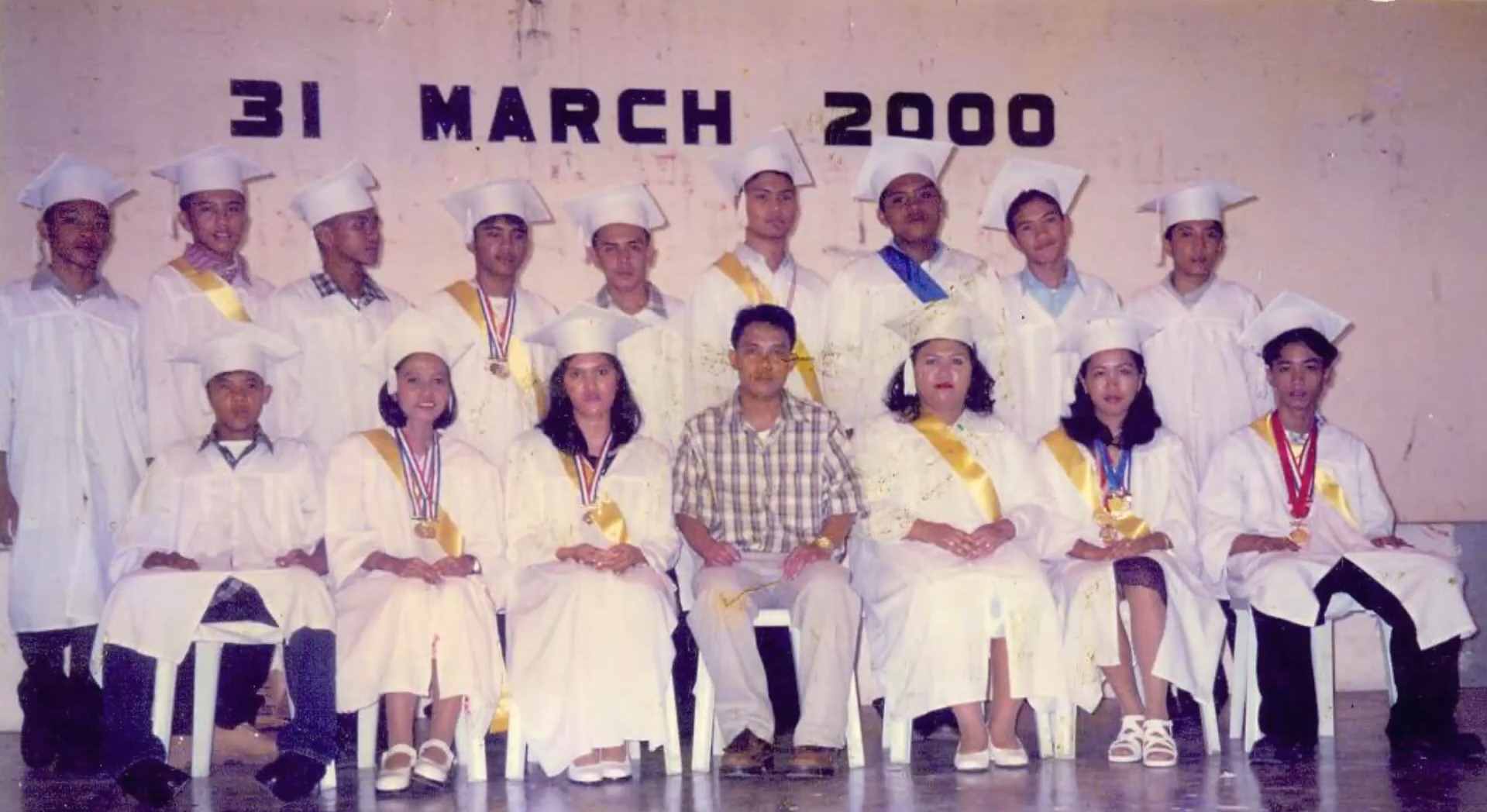
Before the first millennium graduates, Infant Jesus Grade School officially became Infant Jesus School, reflecting its expanded basic education program that now included both elementary and secondary levels.
.png)
Due to the limited campus space of about 1,000 square meters, the school began vertical expansion of its facilities. The St. Joseph Building was expanded into a three-story structure with a rooftop function hall, completed in 2003, and the school also acquired part of an adjacent lot for a temporary canteen, quadrangle, and basketball court. In 2006, the Blessed Virgin Mary Main Building was completed, housing the administrative offices, preschool classrooms, computer laboratory, science laboratory, library, and audiovisual room.
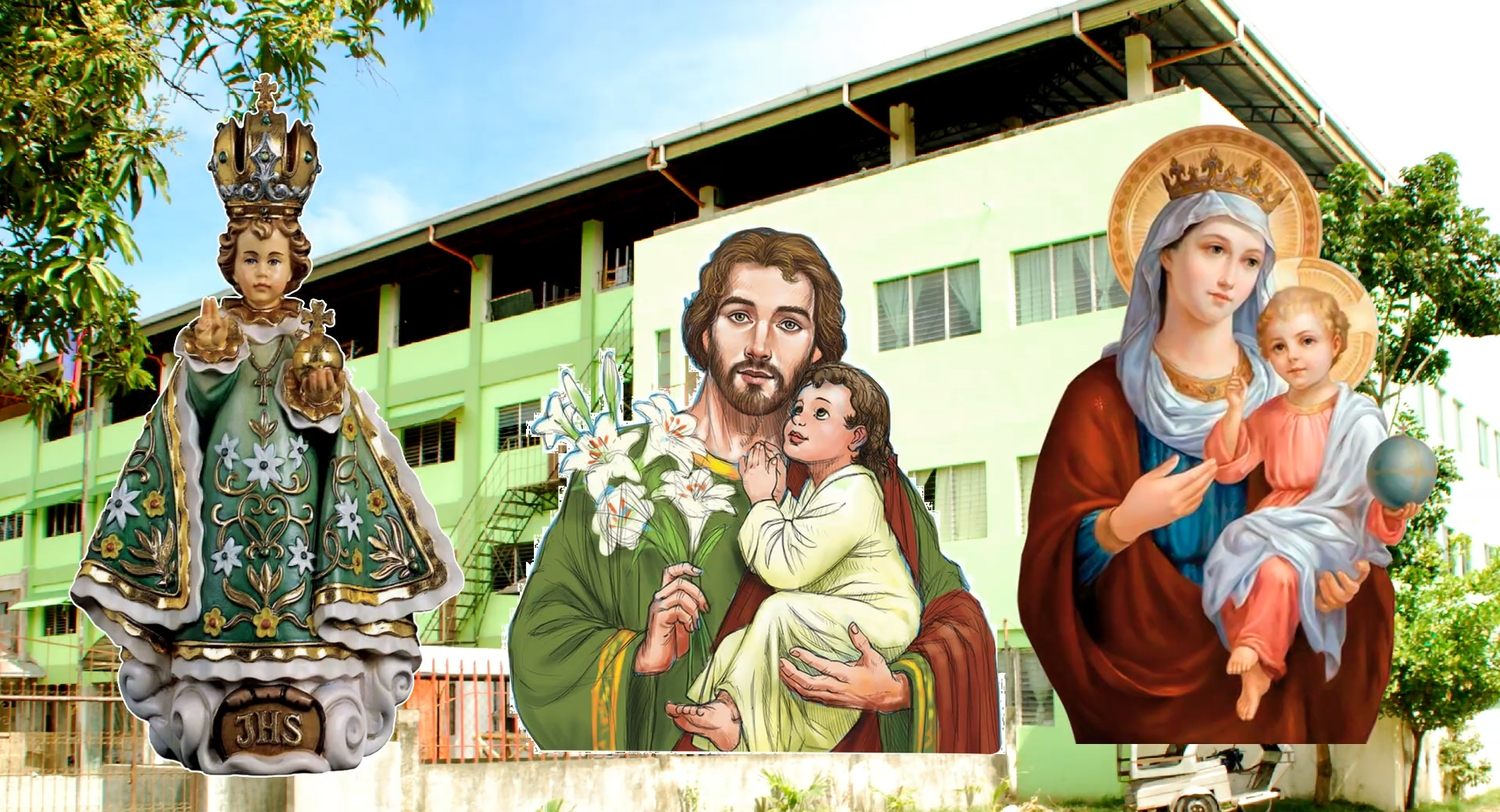
The three main buildings—Sto. Niño, St. Joseph, and the Blessed Virgin Mary buildings—were formally dedicated to the Holy Family, and the Holy Family Prayer Room on the rooftop was blessed in December.
Infant Jesus School celebrated its Silver Jubilee or 25th anniversary, renewing its commitment to continue providing quality Christian education. During this period, the school also completed the acquisition of an additional 2,000 square meters of land, preparing for further campus development.
.JPG)
In preparation for the implementation of the K–12 Enhanced Basic Education Program, construction of the Senior High School Building began on April 4, 2014 and was completed in 2016. The facility included a canteen, bookstore, TLE laboratory, chemistry and physics laboratories, computer laboratory, and workshop, and was dedicated to Saint La Salle, the patron of teachers.
.png)
The Senior High School program officially opened in School Year 2016–2017, and the first batch of Senior High School graduates (STEM and GAS strands) graduated in 2018. That same year, the school celebrated 30 years of Infant Jesus School education.
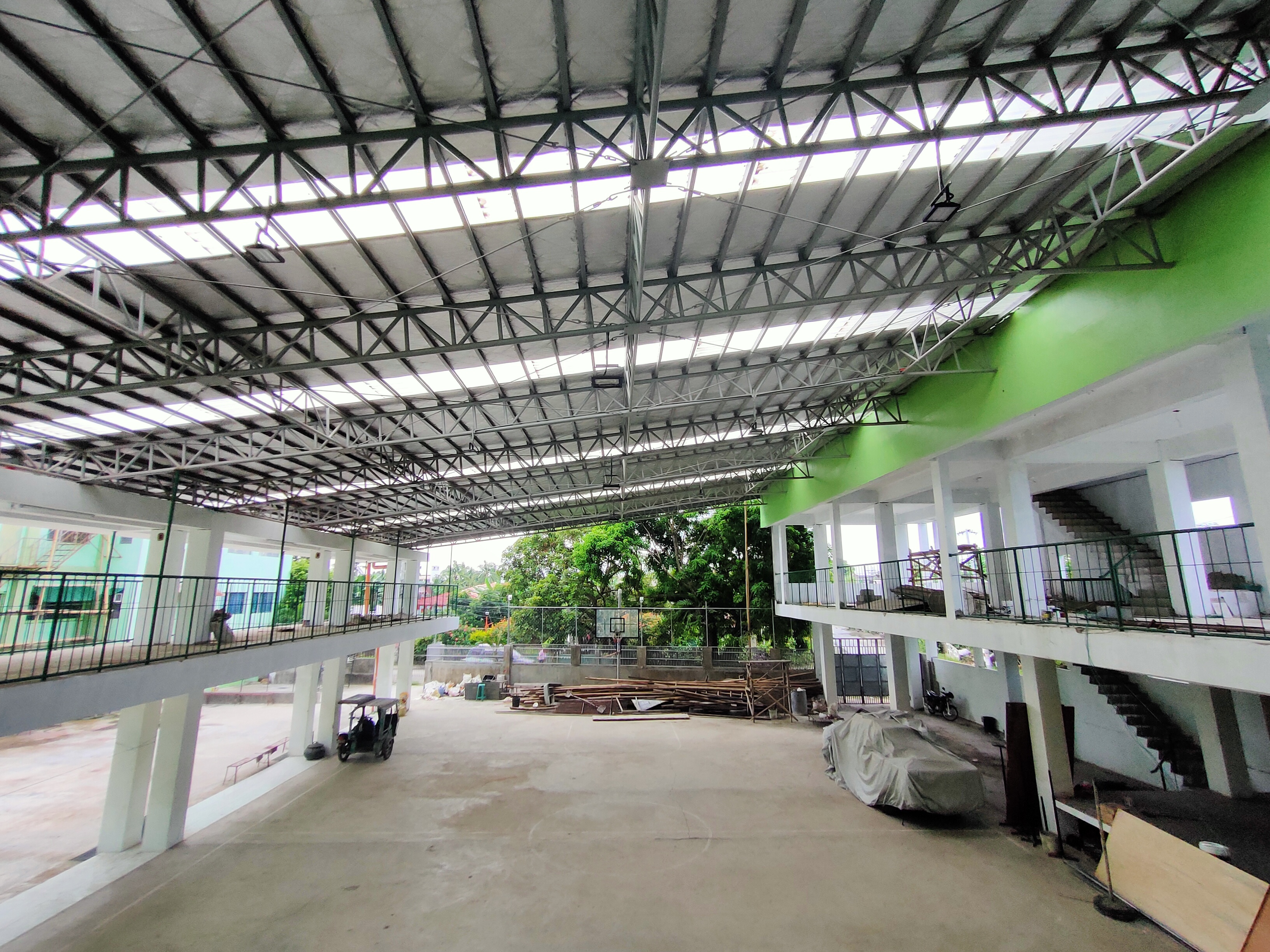
The final phase of the school’s horizontal expansion began with the construction of a covered court in 2018, which was completed in 2019, just before the COVID-19 pandemic. The facility included an indoor basketball court, outdoor volleyball court, stage for assemblies and events, and additional multi-purpose spaces on the second and third floors.
.png)
As Infant Jesus School celebrated 35 years of educational service, the covered court began to be envisioned as a student activity center, especially for performing arts such as music, theater, visual arts, and dance. The school continues to uphold the IJSian ideal of Fides, Scientia, Vita—Faith, Knowledge, and Life, as it remains committed to enlightening minds, engaging hearts, and transforming lives.